Institutional Knowledge.
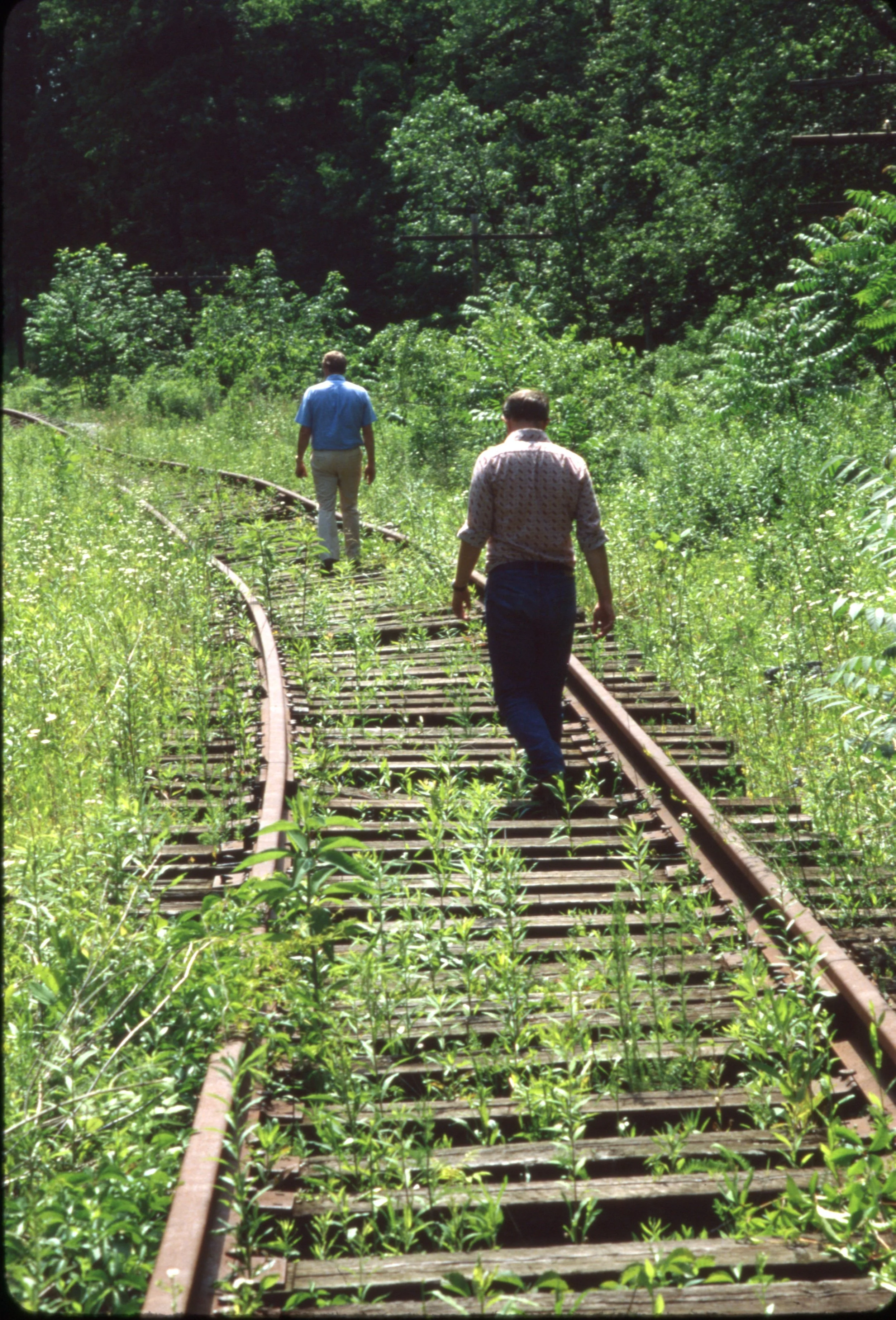
History didn’t stop in 1976.
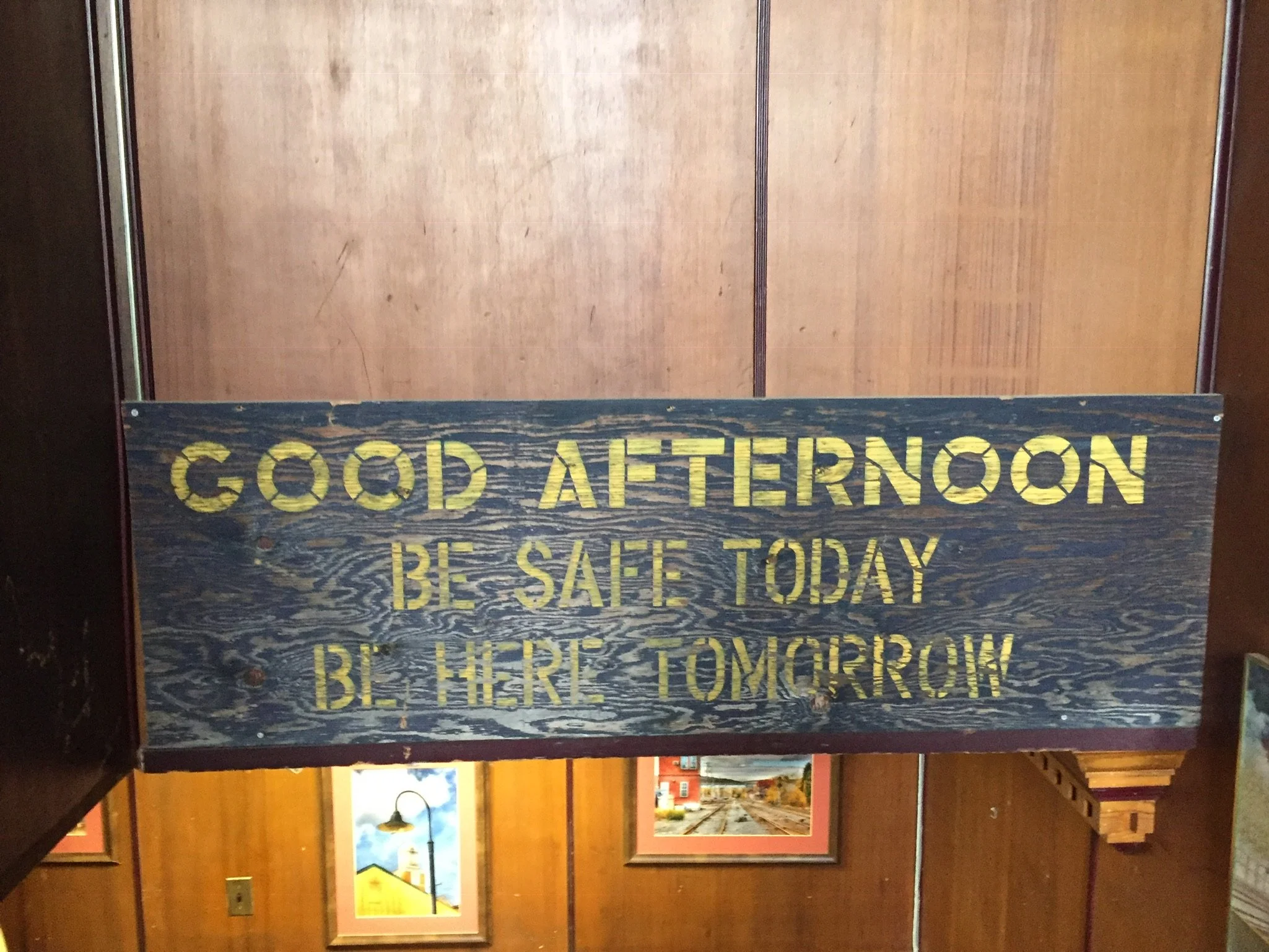
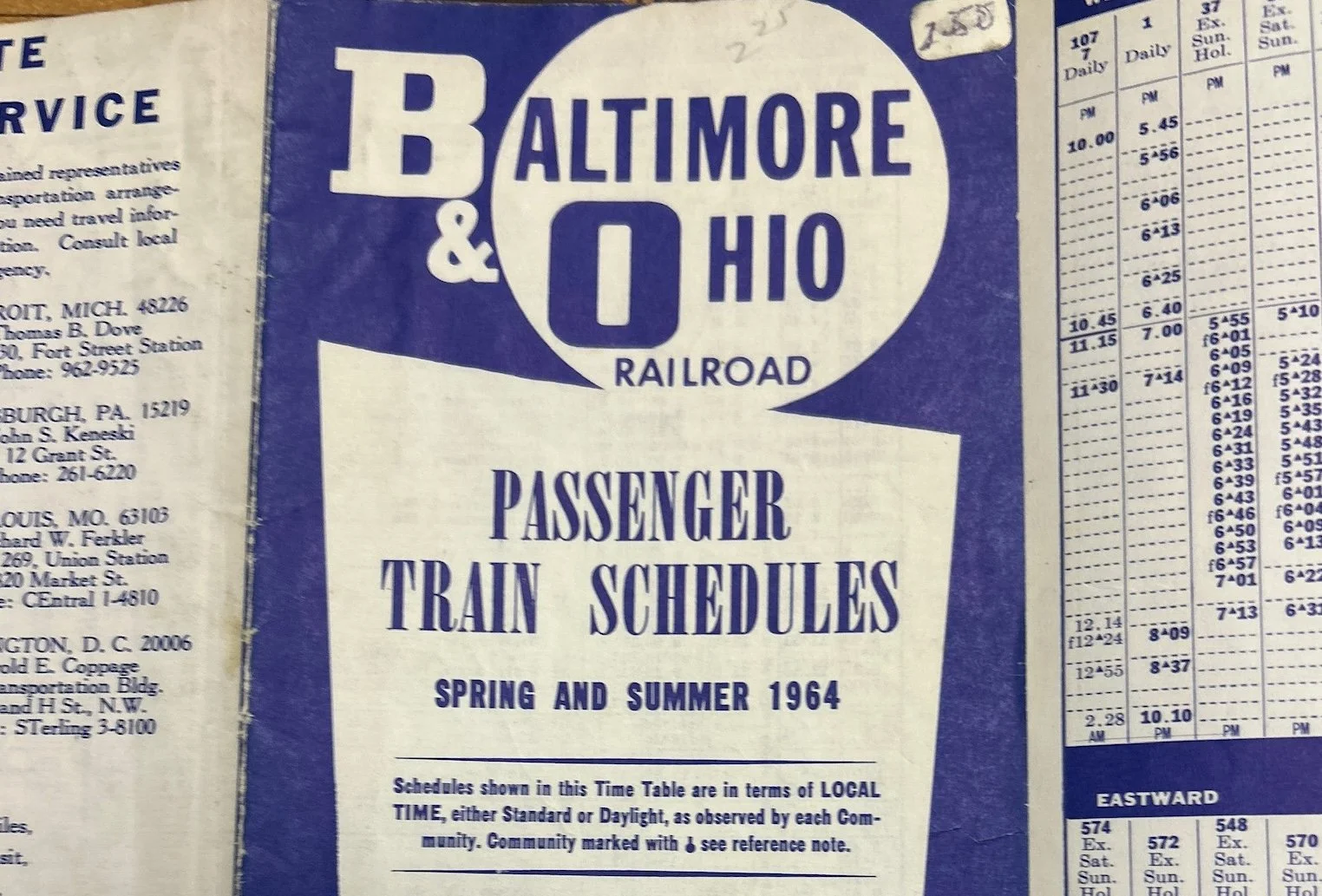
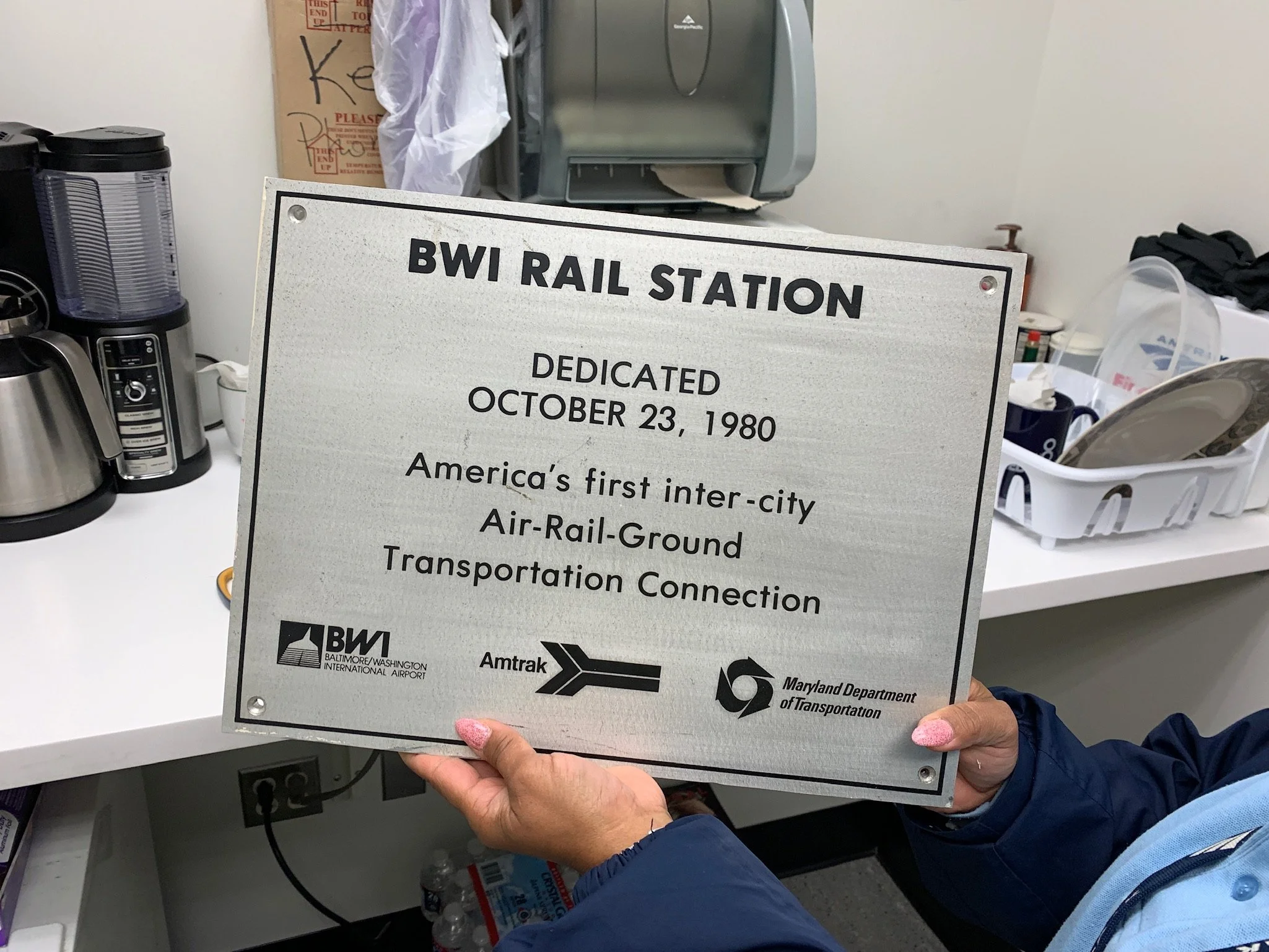
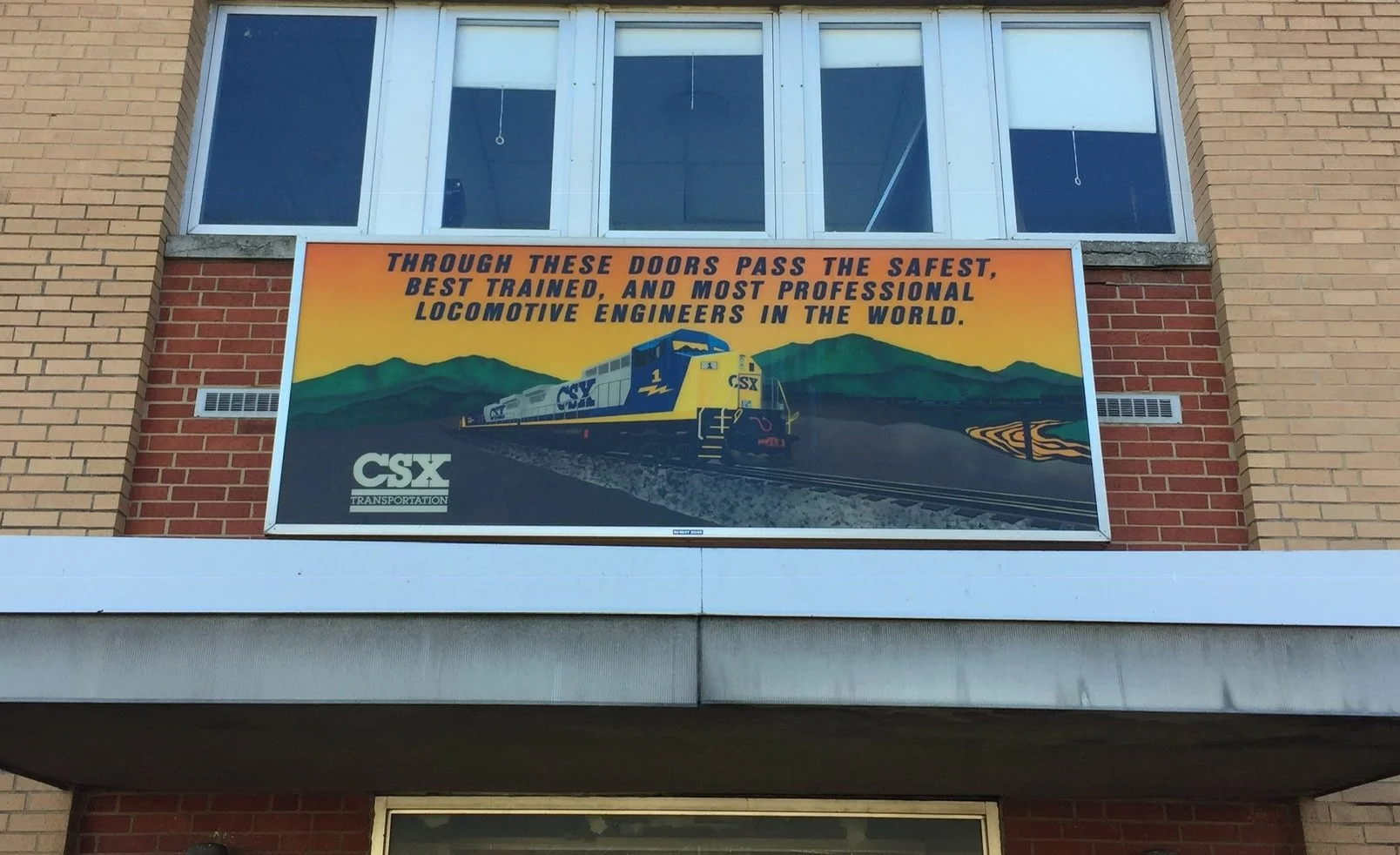
Today, LMRS is working with clients to assemble, organize and preserve institutional knowledge in the rail-industrial space because we know, if that experience is lost, it’s lost forever.
We are surrounded by data, but knowledge is in short supply. Google searches and AI chatbots are useful tools to get surface information on a topic, but typically miss what has not already been digitized. This results in a “lost generation” of railroad primary sources, especially for the time between roughly 1976 and 2010.
April 1st, 1976 ushered in the creation of the Consolidated Rail Corporation in the northeast United States, ending the era of regional freight railroads and starting our modern rail paradigm. Prior to this time, a generation of rail historians and publications documented US railroads in great detail, producing libraries of information we still benefit from today.
By 2010, most administrative tasks for railroads had gone fully digital. Governments had also converted their publication systems to online methods, such as the STB and others. This has greatly improved availability of most research information.
However, there remains a deficit of material between these years- which covers a time period of extraordinary change in railroading.
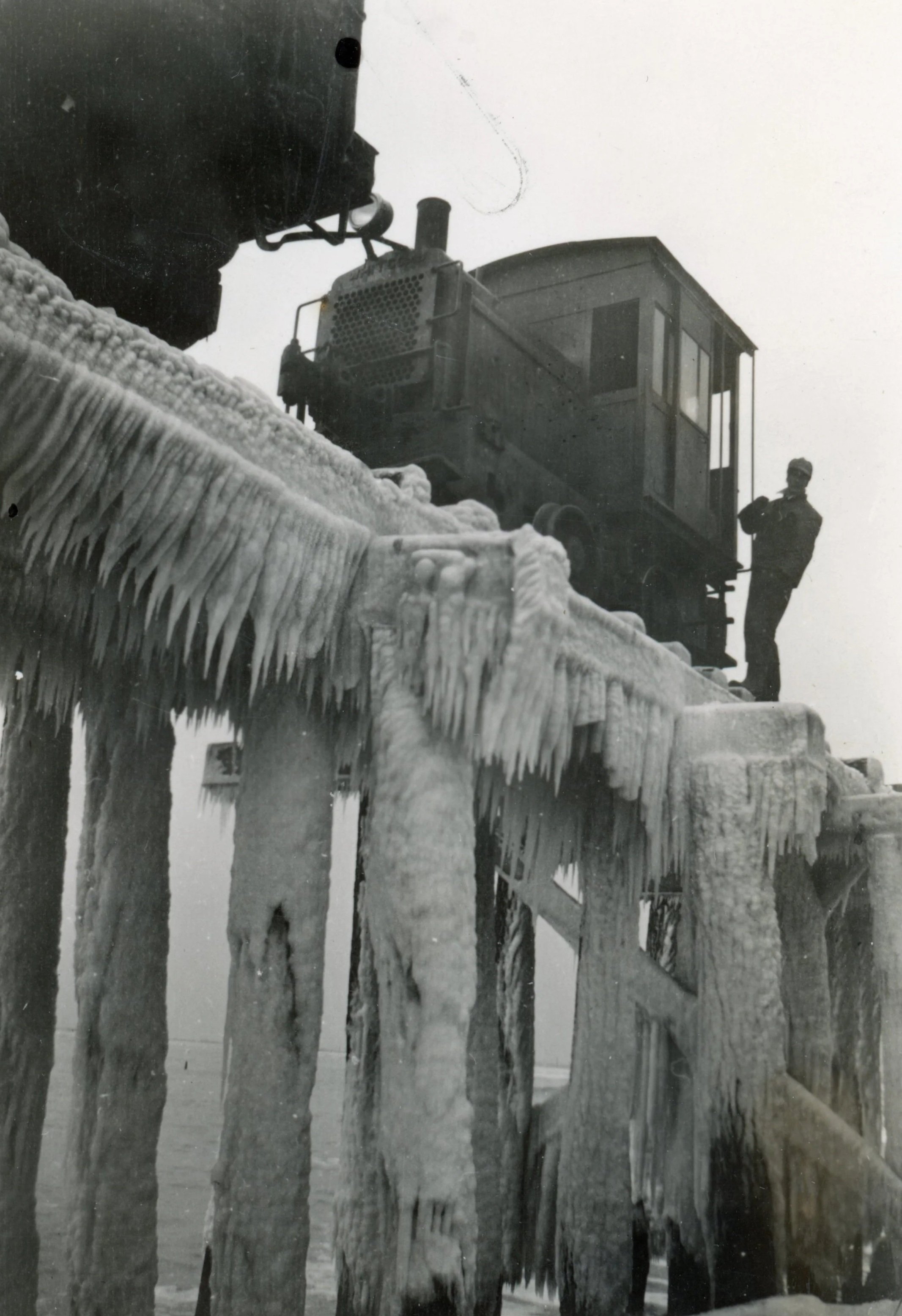
Photographic Database (MD)
Part of this work has resulted in the publication of digitized photos. Use the links below to view Flickr albums for various rail locations. These links are continuously updates, so make sure to check back from time to time.