
Every Railroad is Unique
Today, LMRS is working with multiple clients to gain a deeper understanding of the origination, ownership interests, and functional status of their rail corridor.
This is where the past meets the future and history meets reality. Understanding previous events is critical to understanding our current projects. But in the age of internet and AI, how do rail corridor operators get accurate information when many of these databases are not digitized, and may never be?
LMRS uses archival techniques and databases to shed light on corridor property disposition. Oftentimes, the National Archives and Records Administration’s Interstate Commerce Commission records inventory is an excellent place to start. From there we tap local land records, court records, and private agreements (if available) to understand the expectations a rail project must live up to.
United States Railway Administration (USRA) valuation maps and survey's typically play a key role in understanding the past century or more of rail property management. Interstate Commerce Commission (ICC) records help us understand what, if any, federal actions have applied to a railroad corridor over time.
LMRS uses archival techniques to ensure research provided for clients is properly preserved for future use. If your files look like these, LMRS can help.
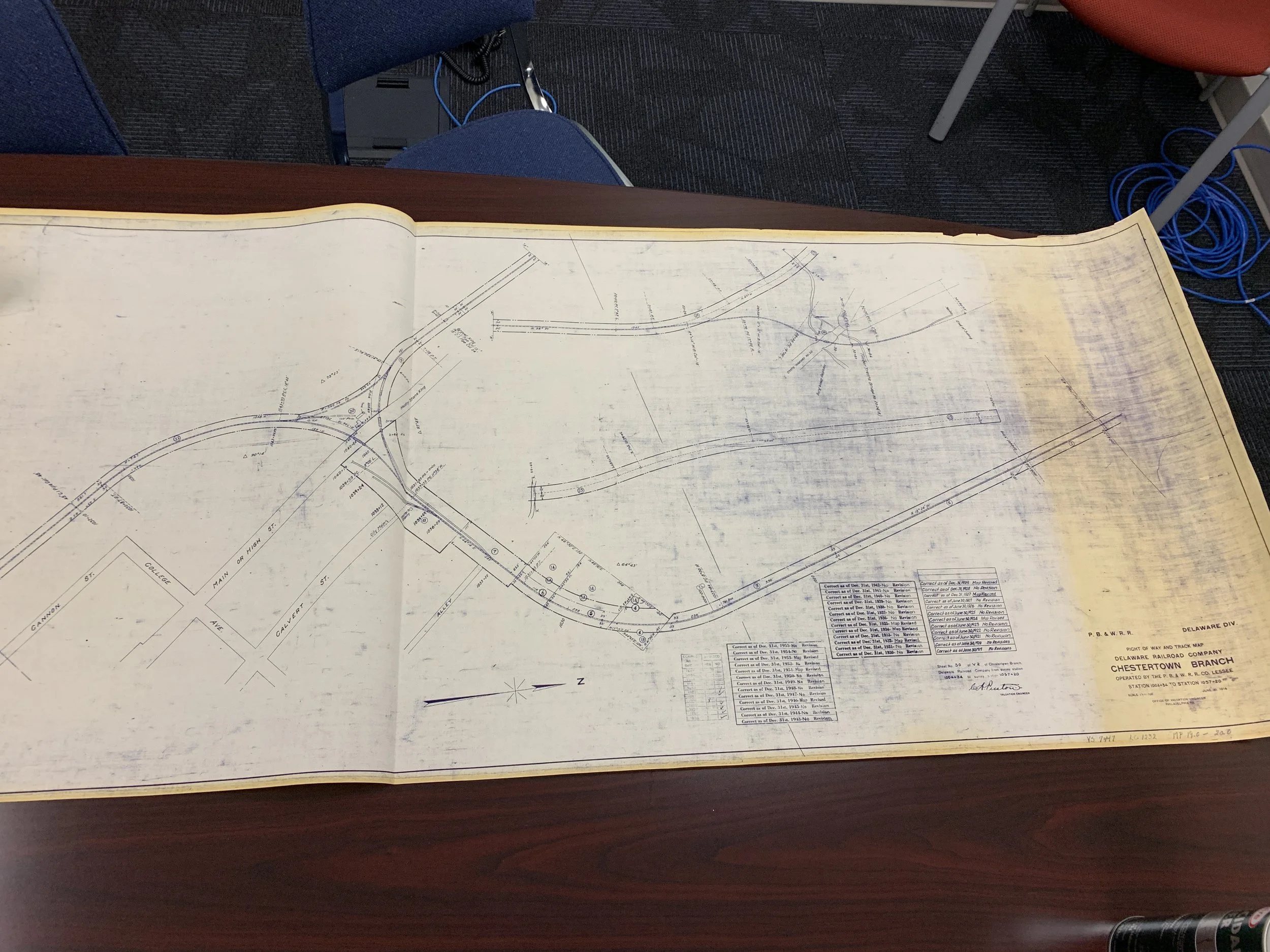
United States Railway Administration (USRA) valuation maps and survey's typically play a key role in understanding the past century or more of rail property management.
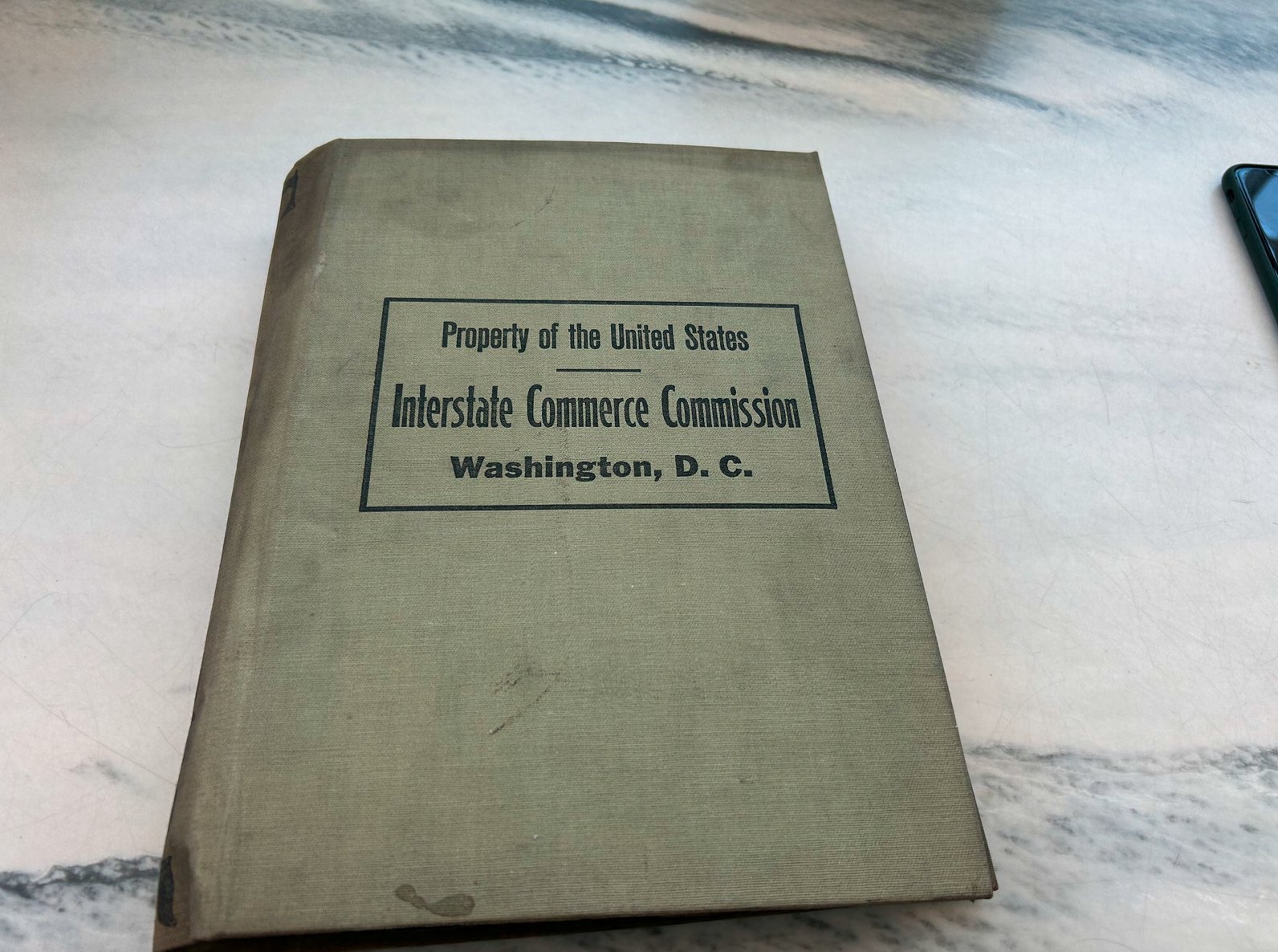
Interstate Commerce Commission (ICC) records help us understand what, if any, federal actions have applied to a railroad corridor over time.
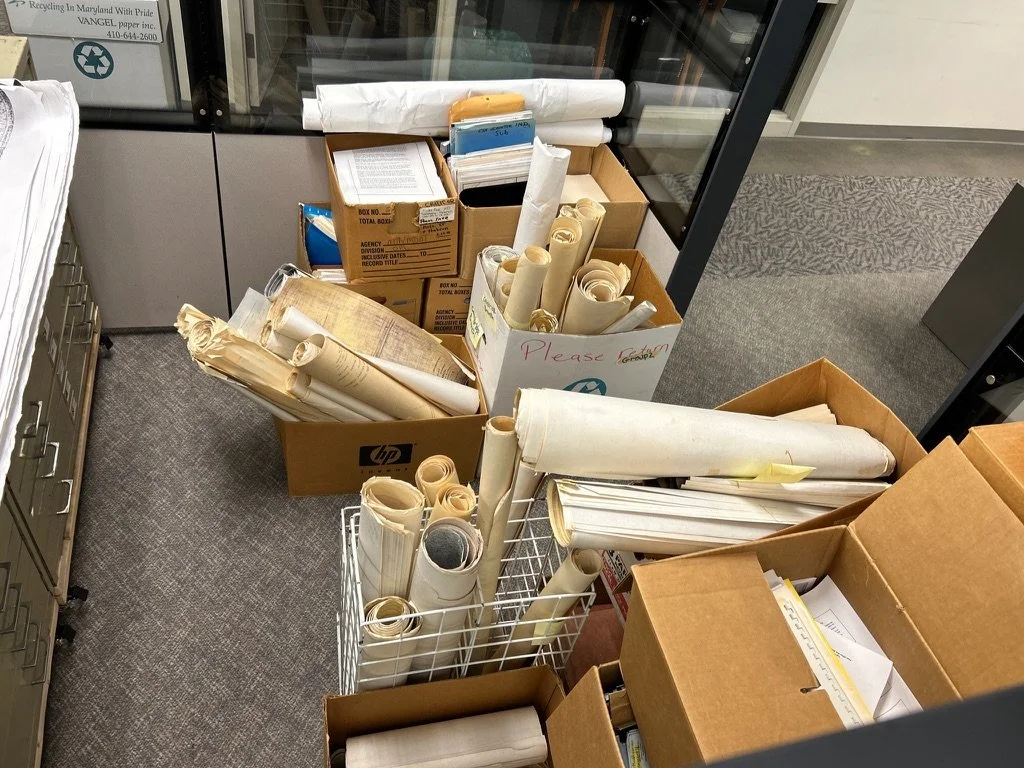
LMRS uses archival techniques to ensure research provided for clients is properly preserved for future use. If your files look like these, LMRS can help.
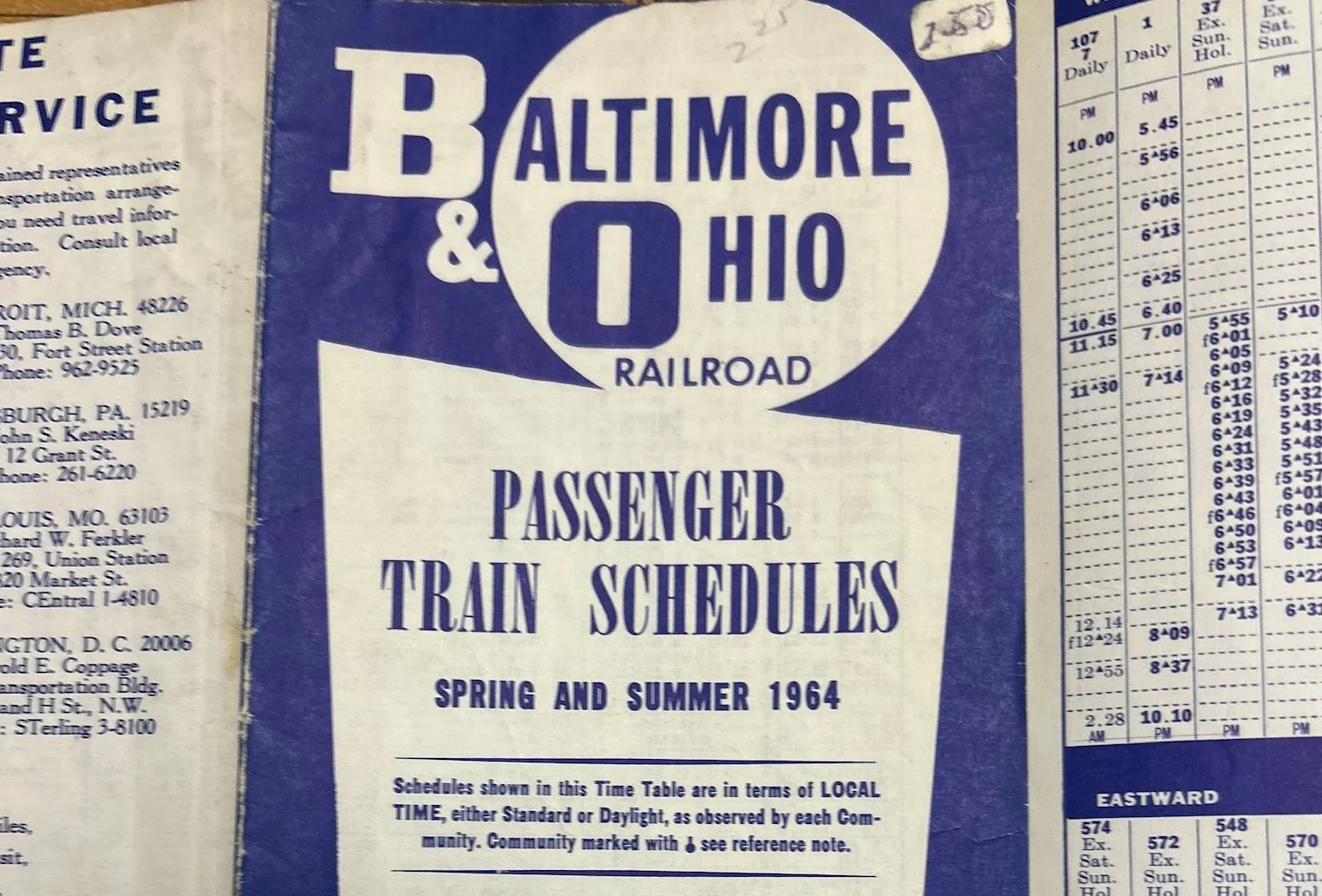
Passenger timetables can sometimes help us understand the levels of service formerly required on a rail property.