
When the worst case happens,
how do first responders and railroads work together?
Passenger Train Emergency Preparedness (2020)
It’s human nature to not want to think about the worst case scenarios, but they do happen. Front line emergency responders are there for all of us on our worst days, but how do they learn to respond to railroad accidents and incidents? Federal Railroad Administration (FRA) regulations require passenger railroads offer training to first responders covering how to respond in the worst conditions.
Prior to LMRS, Tom was responsible for updating emergency plans for a commuter railroad. In addition, he provided hands on training for first responders, creating training materials and planning full scale exercises to test first responder training under real world conditions. This effort is managed by the railway agency today.
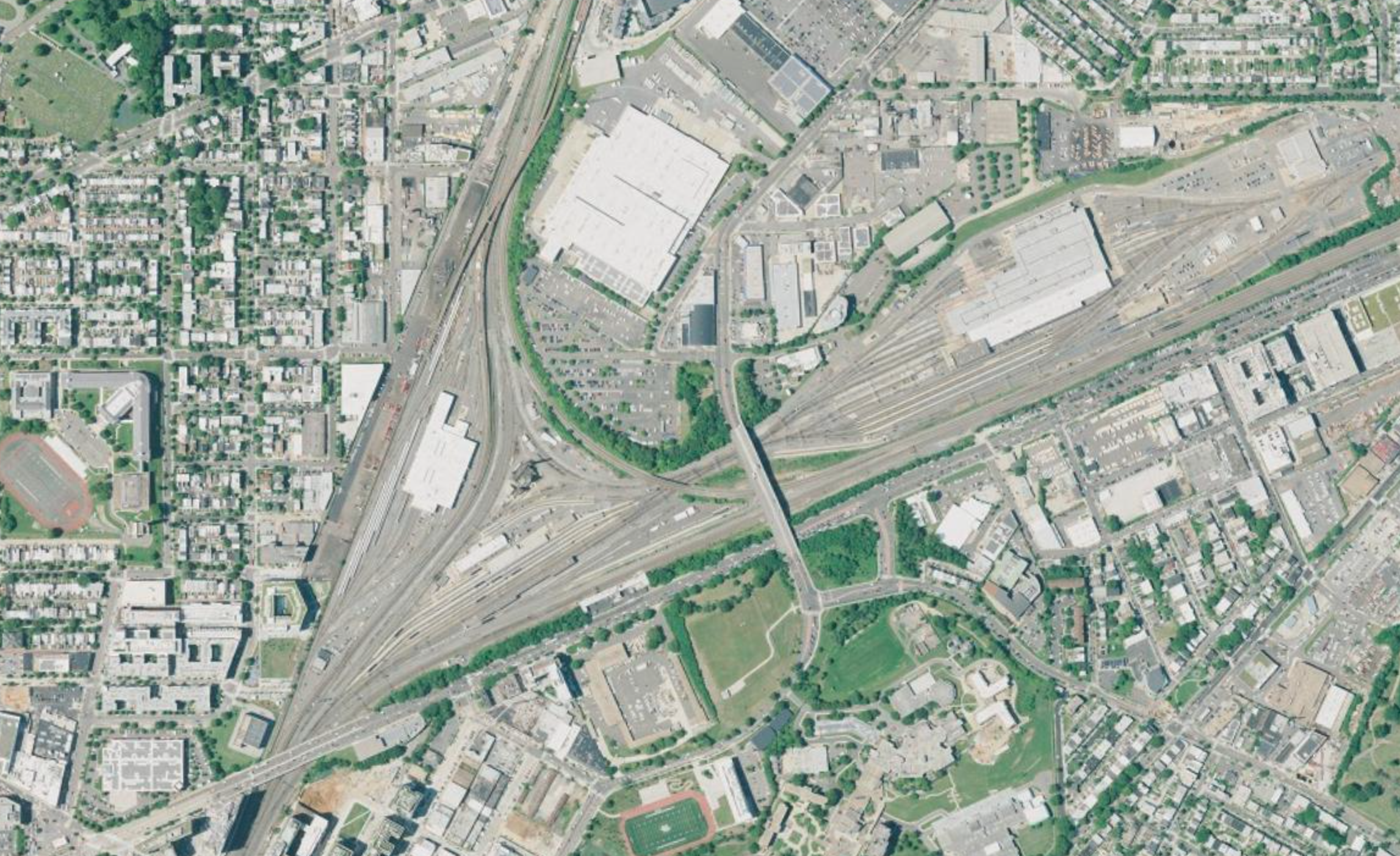
Site Access with GIS Tools
Accidents can happen anywhere, and access to railroad sites can be extremely difficult. Sharing infrastructure information, such as access points, routes of ingress and other geographic information between railroad operators and first responders is a critical tool to a quick response, and was a focus of training sessions.
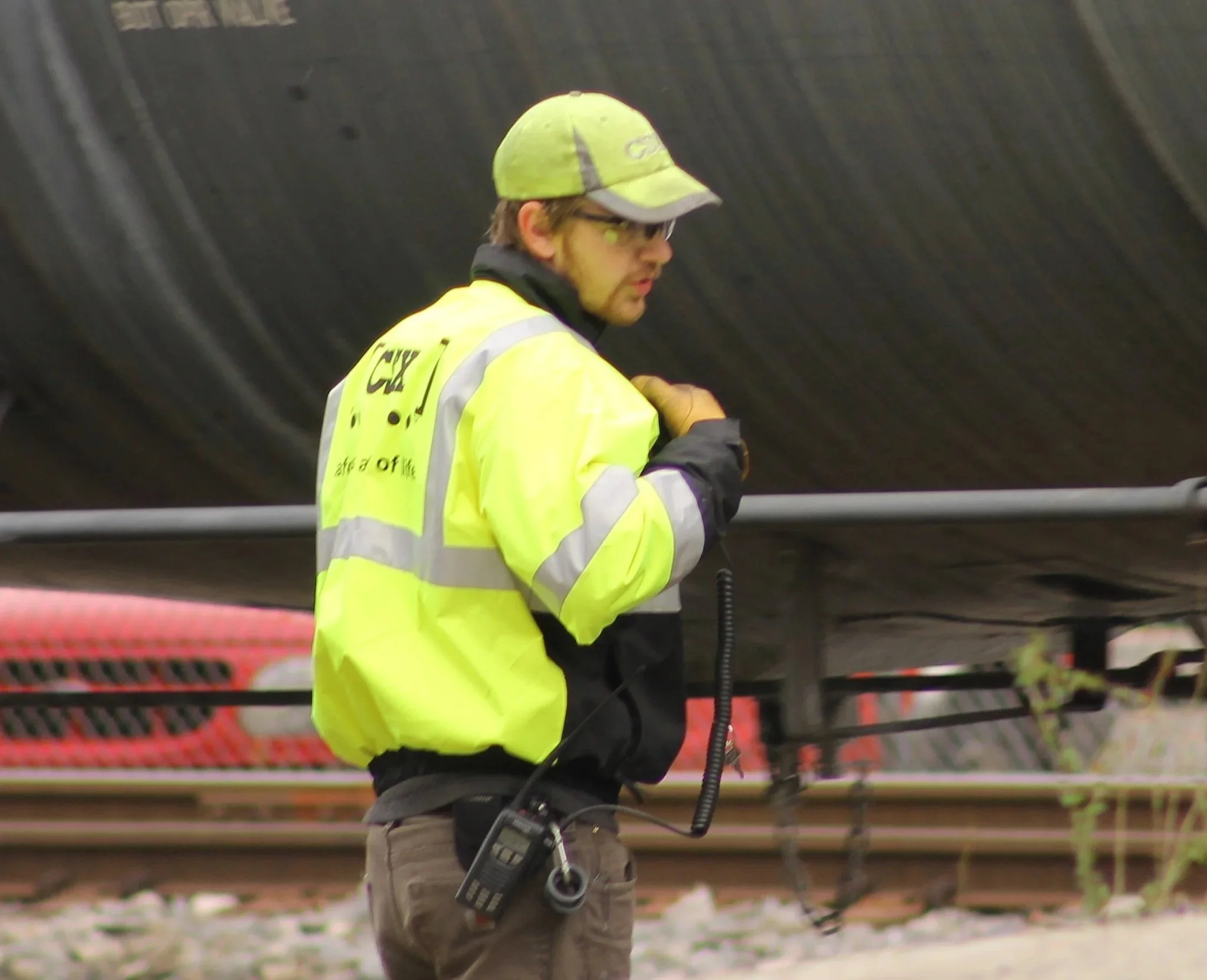
Effective Communication
Railroads and first responders each have extensive communication networks and procedures. However, they rarely integrate, and frequently struggle to do so. Focusing on how to effectively relay information such as personnel and train movements is critical in an emergency. Incident Command Structure (ICS) is a common approach to solving this problem.
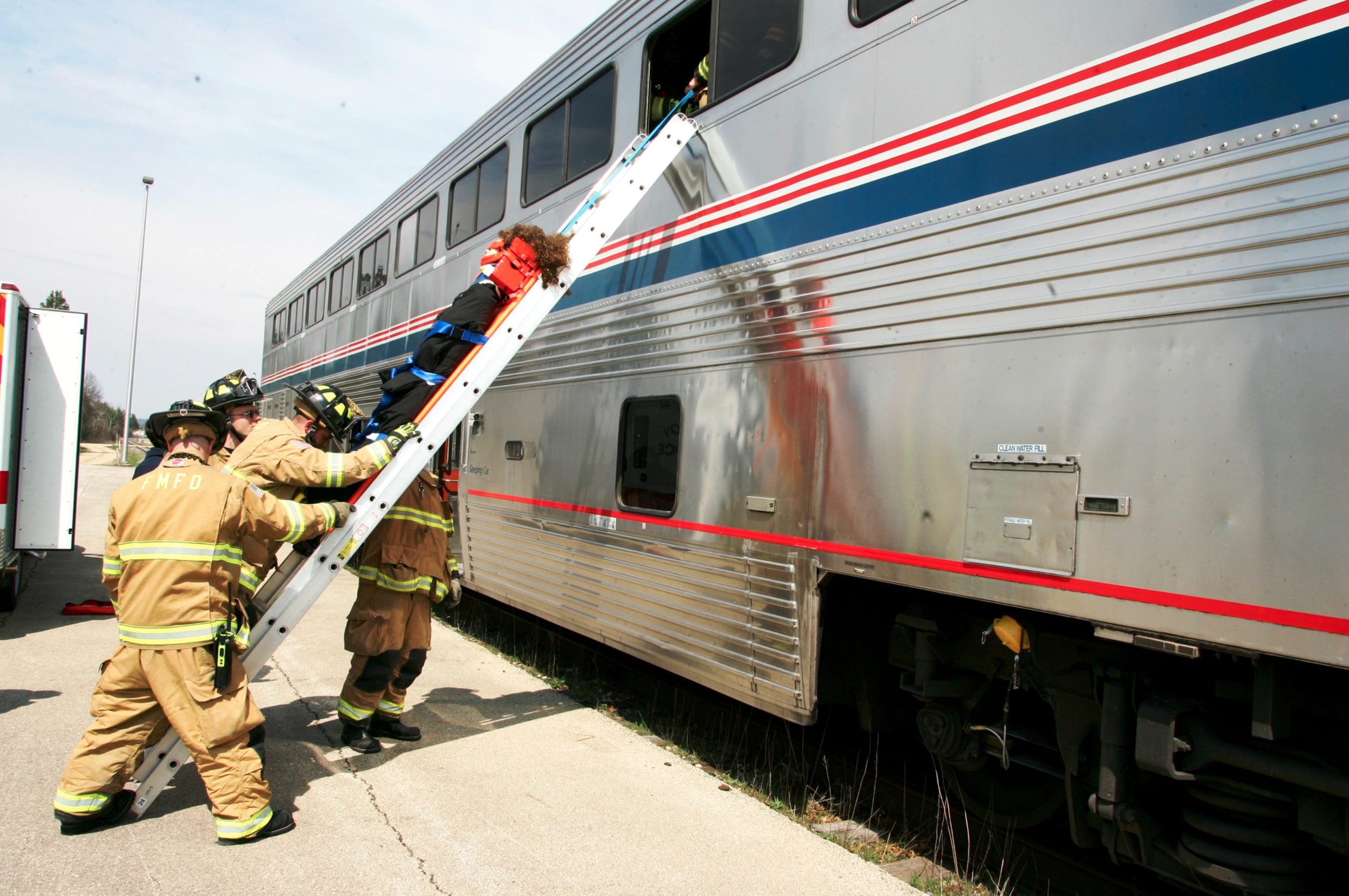
Rail Equipment Training
Railroad cars are complex machines. Windows are frequently unbreakable, doors lock and unlock when needed. In an emergency, knowing the key methods of ingress and egress to a railroad car can make a huge difference. Training on the emergency features of railroad cars enables first responders to confidently and safety reach those in need.