
A System Safety Program improves railroad safety through structured, proactive processes and procedures developed and implemented by railroad operators that:
Supports risk management and provides methods for evaluating and responding to all safety issues.
Includes proactive hazard management methods that support continuous safety improvement.
Ensures that applicable federal, state, and local safety regulations and safety requirements are identified and addressed.
Represents the railroad’s safety philosophy and cultivates a robust safety culture from the most senior officer throughout all levels of the organization.
Federal Railroad Administration, 49 CFR § 270
What makes a system safe?
We take safety for granted, but making transportation systems safe takes real planning, effort, and accountability. This is as true for rail operations as any other system.
Safety plans have many names, but the content is what matters. In 2020, passenger railroads in the US were expected to adopt System Safety Program Plans in accordance with 49 CFR § 270.
Prior to LMRS, Tom co-authored the first FRA-Approved System Safety Program Plan for a mid-atlantic commuter railroad. Building on the strengths of the Safety Management System (SMS) framework widely in use by transit agencies and airlines, the SSPP added elements specific to commuter and passenger rail operation. The process for development and adoption included contracted railroad operators, passengers and employees and created new methods for data collection and analysis. This plan is now managed entirely by the agency.
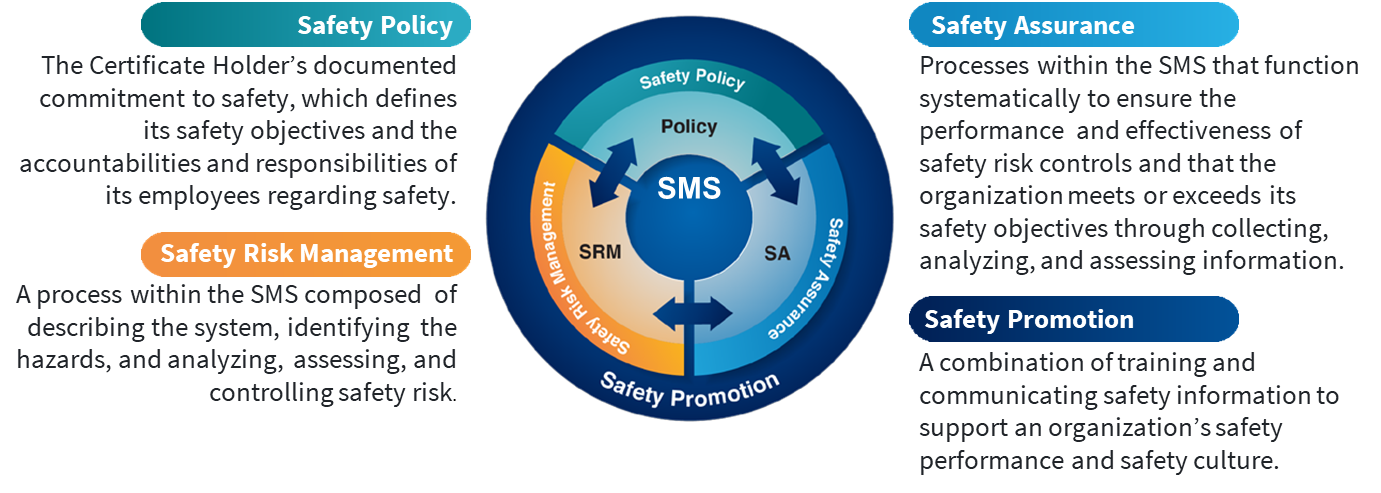
This diagram from USDOT illustrates the four major elements of SMS. SMS emphasizes the importance of risk identification, management and reduction. While it continues to emphasize that safety is the responsibility of all individuals, it places additional scrutiny on proactive assessment, planning, and action, seeking to avoid putting people in situations where their judgement alone is their sole protection from a dangerous situation.